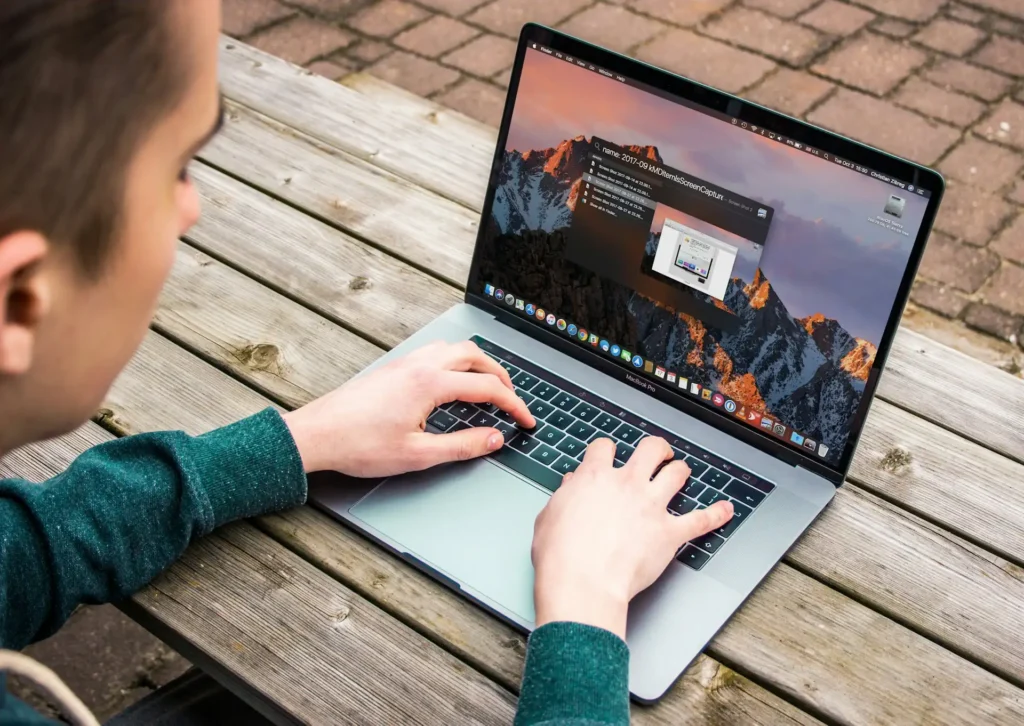




Bangkok, Chiang Mai and Phuket consistently rank as the best cities in Thailand for remote workers – but for very different reasons.
Choosing where to base yourself matters more than most people realise. The wrong city can mean higher costs, unreliable internet, limited coworking options, or simply a lifestyle that doesn’t fit how you work.
Wherever you base yourself, make sure you understand how to work remotely in Thailand legally.
This guide compares Thailand’s best cities for remote workers: Bangkok, Chiang Mai, Phuket, and emerging alternatives. We’ll cover costs, infrastructure, community, and the practical factors that determine whether a city works for your remote career.

Chiang Mai: The Original Digital Nomad Hub
Chiang Mai has been the unofficial capital of remote work in Asia for over a decade. The combination of low costs, strong internet, established community, and relaxed lifestyle created the template that other cities now try to replicate.
Cost of Living
- Studio apartment (Old City/Nimman): 8,000-15,000 baht/month
- One-bedroom condo (modern): 12,000-25,000 baht/month
- Meal at local restaurant: 50-80 baht
- Coworking day pass: 200-350 baht
- Monthly coworking: 3,000-6,000 baht
Realistic monthly budget: 35,000-55,000 baht for comfortable living
Infrastructure
- Fibre internet widely available (100-1000 Mbps)
- Dozens of coworking spaces (Punspace, CAMP, Yellow, etc.)
- Reliable 4G/5G coverage
- International airport with growing connections
Lifestyle
Chiang Mai offers a slower pace than Bangkok. The Old City and Nimman areas concentrate most remote worker activity. Mountains and nature are 30 minutes away. The community is established – you’ll find events, meetups, and networking opportunities weekly.
Best for: Remote workers prioritising value, community, and work-life balance. Those who prefer a smaller city feel.
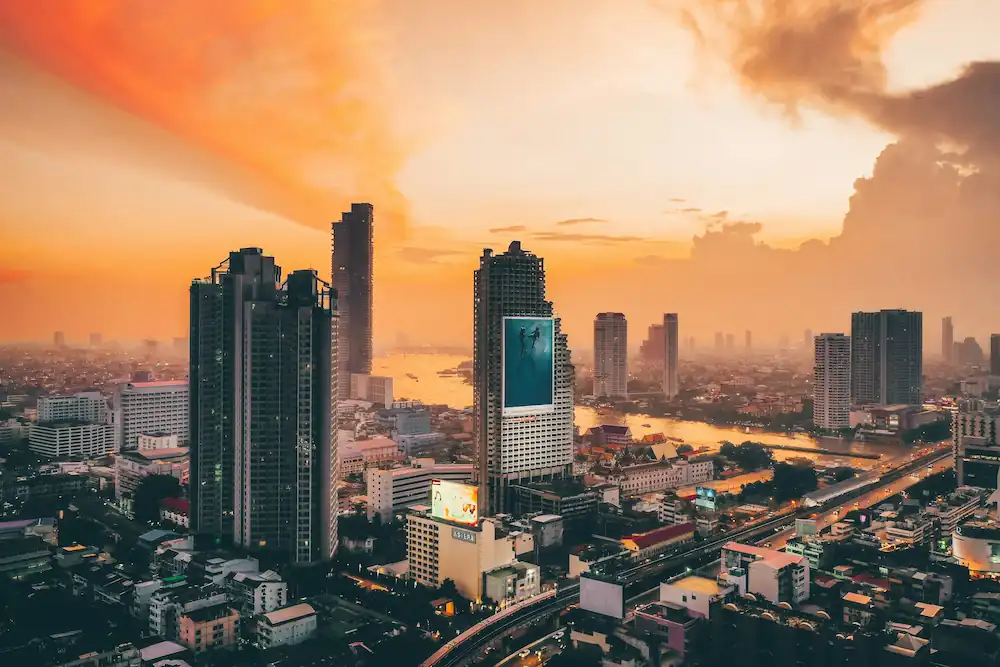
Bangkok: The Professional Hub
Bangkok is where Thailand does business. The capital offers everything a major global city provides: world-class infrastructure, international connectivity, and opportunities that don’t exist elsewhere in the country.
Cost of Living
- Studio apartment (central): 12,000-20,000 baht/month
- One-bedroom condo (Sukhumvit/Silom): 18,000-40,000 baht/month
- Meal at local restaurant: 60-100 baht
- Coworking day pass: 300-500 baht
- Monthly coworking: 5,000-12,000 baht
Realistic monthly budget: 50,000-80,000 baht for comfortable living
Infrastructure
- Best internet infrastructure in Thailand
- Premium coworking options (WeWork, JustCo, The Great Room)
- Excellent public transport (BTS, MRT)
- Two international airports with global connections
Lifestyle
Bangkok never stops. It’s loud, busy, and overwhelming at first. But it’s also convenient, connected, and full of opportunities. Healthcare, shopping, entertainment, and professional services match international standards.
Best for: Remote workers who need city amenities, international connections, or work with clients requiring professional meeting spaces.

Phuket: Beach Life with Infrastructure
Phuket offers something the other cities can’t: beaches. For remote workers who want to surf before their morning standup or swim after closing their laptop, Phuket delivers.
Cost of Living
- Studio apartment: 10,000-18,000 baht/month
- One-bedroom condo: 15,000-30,000 baht/month
- Villa with pool (shared): 8,000-15,000 baht/month per room
- Coworking: 3,500-7,000 baht/month
Realistic monthly budget: 45,000-70,000 baht for comfortable living
Infrastructure
- Good fibre availability in developed areas
- Growing coworking scene (Garage Society, Hatch, Phuket CoWork)
- International airport with regional connections
- Variable quality outside main areas
Lifestyle
Phuket’s lifestyle revolves around the outdoors. The downside: it’s more spread out than Chiang Mai or Bangkok. You’ll likely need a scooter. Tourism dominates, which means higher prices in beach areas and seasonal fluctuations.
Best for: Remote workers who prioritise beach access and outdoor activities. Those comfortable with island logistics.
How to Choose the Best City in Thailand for Remote Work
When evaluating the best cities in Thailand for remote workers, internet speed and coworking options matter most – but cost of living and lifestyle come close behind.
| Factor | Chiang Mai | Bangkok | Phuket |
| Monthly Budget | 35-55k | 50-80k | 45-70k |
| Internet Quality | Excellent | Best | Good |
| Coworking Options | Many | Premium | Growing |
| Remote Worker Community | Largest | Professional | Moderate |
| Best For | Value, community | Business, networking | Beach lifestyle |
Other Options Worth Considering
Each of the top cities for remote workers in Thailand offers something different. But they’re not the only options:
- Koh Samui: Island life with improving infrastructure. More developed than Koh Phangan, smaller community than Phuket. Good for those who want beaches without the Phuket scale.
- Hua Hin: Beach town 2.5 hours from Bangkok. Popular with expats, quieter than Phuket. Good infrastructure, less tourist-focused. Easy Bangkok access for meetings.
- Pai: Mountain town near Chiang Mai. Ultra-relaxed, low cost, limited infrastructure. Works for those with flexible schedules and strong mobile data backup.
Making Your Decision
The best city depends on your priorities:
- Budget-conscious + community: Chiang Mai
- Professional networking + city amenities: Bangkok
- Beach + outdoor lifestyle: Phuket
- Quiet + Bangkok access: Hua Hin
Many remote workers start in Chiang Mai, test Bangkok for a month, then decide. Thailand’s domestic flights are cheap enough to try multiple cities before committing.
There’s no single answer to which is the best Thai city for remote work – it depends on your priorities, your budget, and how long you plan to stay.
Thinking long-term? Your visa choice affects whether you can eventually apply for Thailand permanent residency.
Beyond Location: Your Legal Status Matters
Where you live in Thailand matters. But how you live there matters more.
Without proper work authorization, you’re limited regardless of which city you choose. Bank accounts, long-term leases, and building a real life all become easier with legal status.
ThaiPivot is based in Chiang Mai but helps remote workers throughout Thailand obtain work permits and build legal, permanent lives here.
Not sure which visa path matches your plans? Take our 1-minute quiz or book a free consultation to discuss your options.